
Sustainable Investment in ASEAN

The unprecedented COVID-19 pandemic derailed the global economy in 2020-2021. This crisis also affected The Association of Southeast Asian Nations (ASEAN’s) prolonged efforts towards economic growth. ASEAN leaders adopted the ASEAN Comprehensive Recovery Framework (ACRF) in 2020 as part of a streamlined and coordinated strategy to tackle the crisis. Sustainability is a fundamental theme across […]
Facilitating Green Transition for ASEAN SMEs

Globally, we are seeing a growing consensus that measures to recover from the economic consequences of the COVID-19 crisis must also help countries achieve emission reductions and improve the economy’s performance on the environmental front. The Association of Southeast Asian Nations (ASEAN) has implemented the ASEAN Comprehensive Recovery Framework (ACRF), which was set up as […]
Indonesia’s Private Steel Manufacturing to Lead Carbon Neutrality
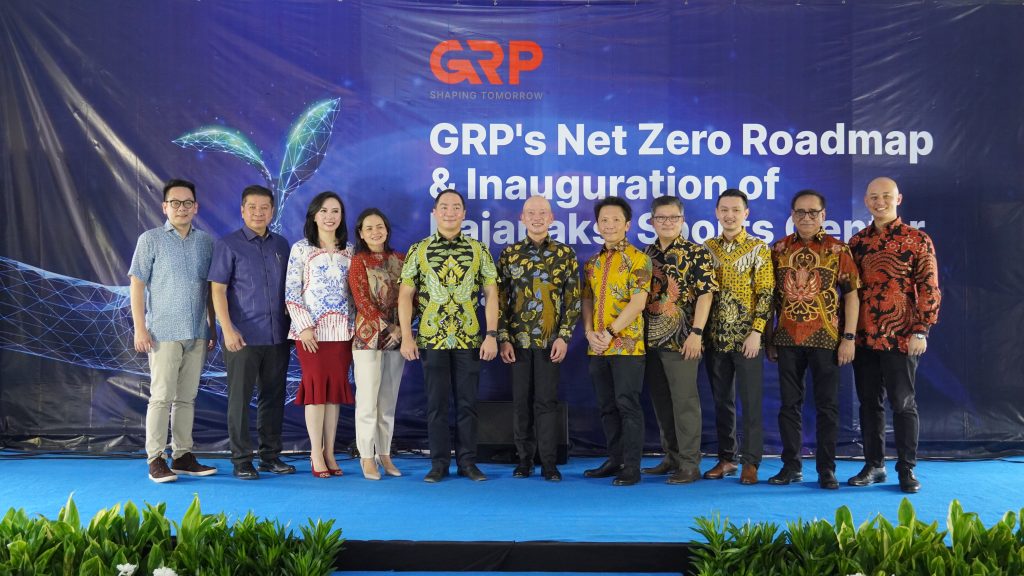
Jakarta, 21 February 2023 – Gunung Raja Paksi Tbk (GRP), a member of Gunung Steel Group and one of the largest private steelmakers in Indonesia, announced the launch of its Net Zero Roadmap today, which outlines its action plan for achieving carbon neutrality by 2050. In line with Indonesia’s Enhanced Nationally Determined Contribution (ENDC) to […]
Merits and Challenges of Direct Air Capture (DAC)

With the effects of climate change, manifest in the increasing number of storms and wildfires, among others, becoming increasingly palpable, the need to pare greenhouse gas (GHG) emissions through the deployment of clean and low-carbon technologies, such as renewable energy and electric vehicles, has become paramount. The current climate change and decarbonization efforts are inadequate […]
The Importance of Carbon Capture and Storage in Industrial Zero Emissions

The Importance of Carbon Capture and Storage in Industrial Zero Emissions Carbon capture and storage (CCS) is a technology that has the potential to greatly reduce industrial carbon emissions and help achieve a zero-emissions future. CCS involves capturing carbon dioxide (CO2) from industrial sources, such as power plants, and then storing it underground in geological […]
Impact of US and EU Policies on the ASEAN Steel Sector

The energy intensity of the US steel industry is one of the lowest among major developed and developing economies. The low energy and carbon intensity of the US steel industry is attributed to the high use of the EAF process. Hence, as green initiatives are undertaken to decarbonize the US steel industry, the critical aspect is to establish a trading scheme to limit imports of high-carbon steel to avoid decarbonization costs.
Power Sector Decarbonization Through Battery Storage
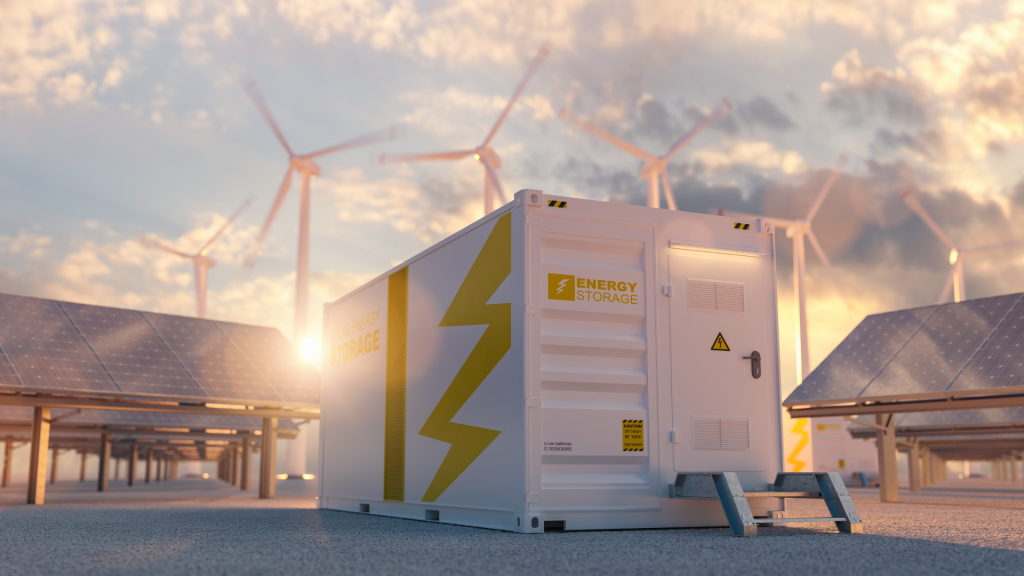
The global power sector is going through transformational changes. Electricity generation through renewable energy sources has accelerated rapidly in the last decade and is expected to rise further on growing environmental concerns over the use of power derived from fossil fuels.
Decarbonization and Investment Opportunities in Asia

Managing Partner of Gunung Capital, Kelvin Fu was invited to the luncheon “Decarbonization: Investing in Asia’s Future” hosted by Fullerton Fund Management. This event discussed the outlined issues of funding gaps and investment opportunities in Asia to move towards Net-Zero Emissions, also the adoption of practical steps to accelerate the transition.
Unlocking the Potential of ESG Investing: A Guide to Making Smart Investments

Environmental, Social, and Governance (ESG) investing has gained popularity among investors as a smart and responsible way to invest. ESG investing focuses on creating investments that not only provide financial returns but also have a positive impact on the environment and society. This type of investing has become increasingly popular as investors have become more […]
Hydrogen Fuel Cell Vehicles: Current Status and Future Growth

Several new technologies have emerged globally that offer cost-effective, low-carbon solutions, thereby challenging the traditional models of mobility businesses. Three key disruptive trends shaping the future of mobility are electric and fuel cell vehicles, smart and autonomous vehicles and mobility-as-a-service models.
